


In a time when teenagers struggle more than ever to obtain jobs, high school students have found alternative ways to make money and develop entrepreneurial skills. Some students sell clothes online as a convenient money-making method. Other artistically inclined teens have turned their creative passions into small businesses, allowing them to profit from their talents and gain work experience.
Depop:
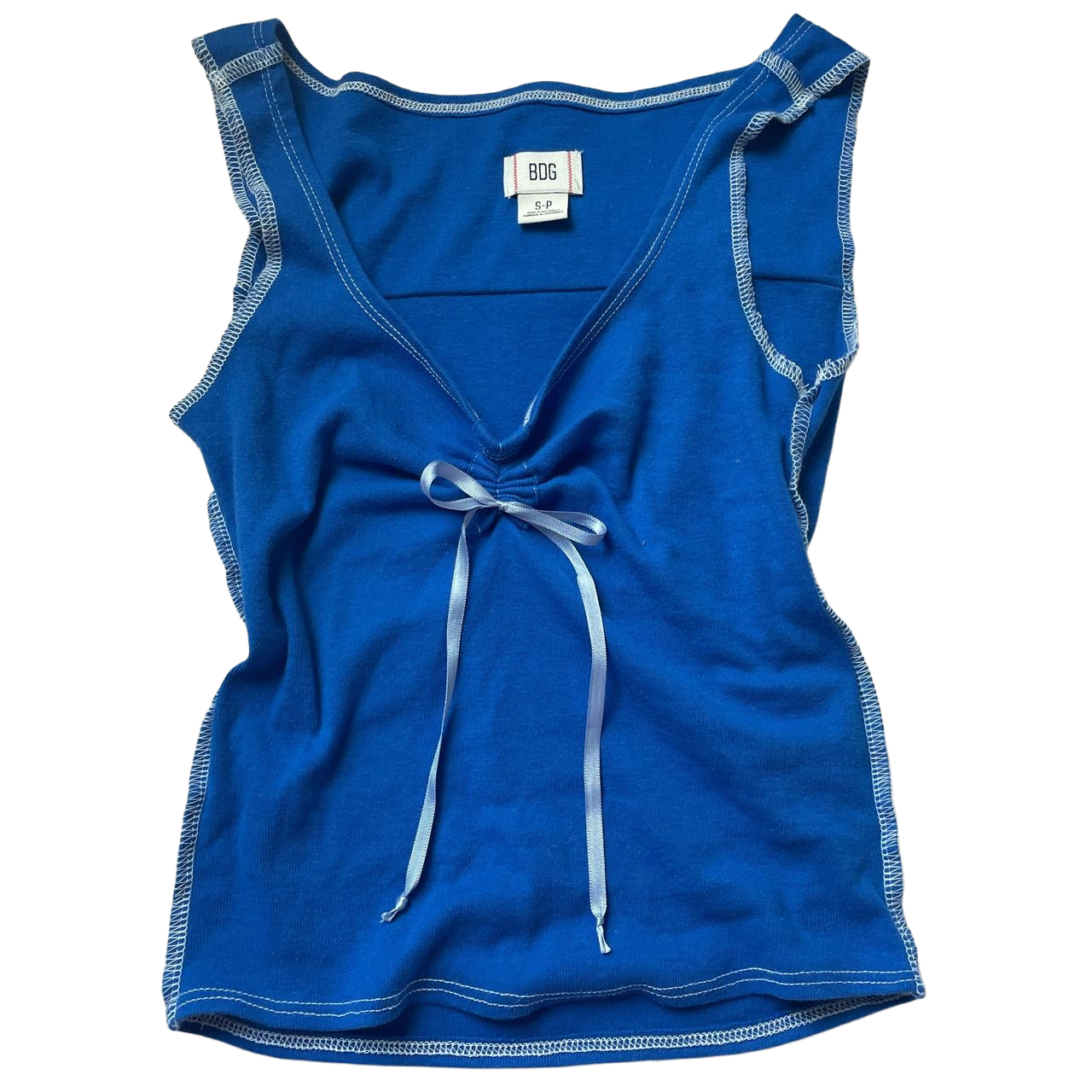
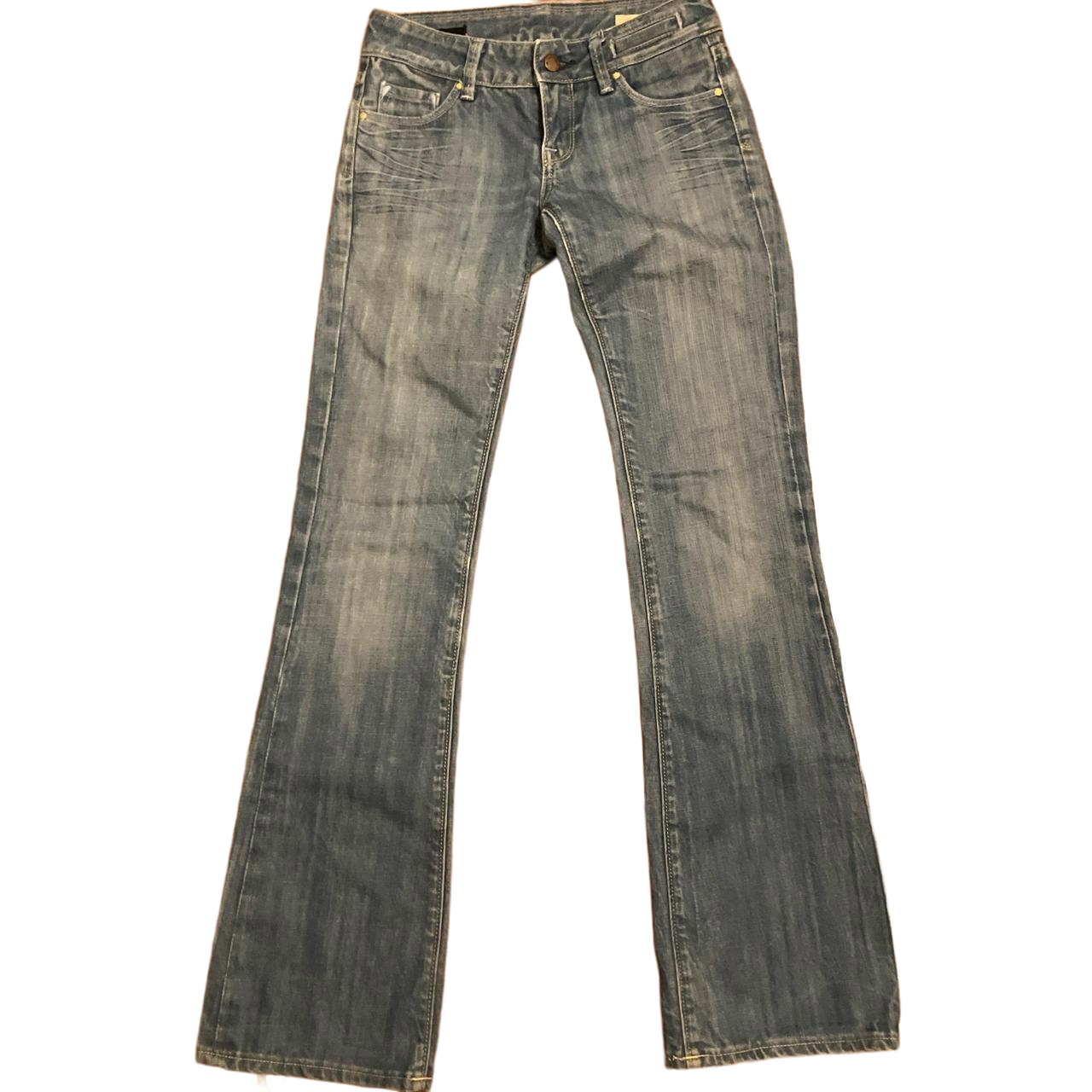
Depop, an online thrift store where people buy and sell clothes and accessories, is a popular low-effort entrance into entrepreneurship. According to the Depop Newsroom, the company currently has around 43.5 million registered users and about 49 million items for sale.
Depop has attracted a large number of Gen Z users. According to a report from Depop’s website, this is due to the generation’s appreciation for sustainability and their subsequent desire to buy clothes secondhand.
Izzy Pai ’27 sells clothes on Depop. “I really like buying clothes, but I wanted to be able to get rid of stuff and also profit from it. I would usually just give my hand-me-downs to my sisters, so anything that my sisters don’t want or that didn’t fit me, I started selling on Depop,” Pai said.
Other students who sell clothes on Depop note that it is a good way to earn money. “Especially since I buy my own clothes, … I want to get my money back if I don’t wear the clothes anymore,” Carolin Flanagan ’27 said.
Pai detailed her initial experience of selling on Depop. “It was really easy. … All I do is buy the packages, and then I can have UPS people pick [them] up from my house,” she said.
Since Depop is fully online, it is accessible and appealing to many sellers. “It’s very convenient, but it’s not any steady amount of profit. It’s more because it feels good to be able to not waste things in my closet, and to feel like [my clothes] are going to actual people,” Pai said.
While some users invest a lot of time and energy into their Depop seller pages, most sellers use the platform more casually. “I wouldn’t even compare it to getting a job. It’s a lot less work, and it’s a lot less time,” Flanagan said. “It’s a really good option because you can do it even if you’re very busy.”
While selling clothes on Depop is generally convenient, there are also downsides to using the platform. On average, shipping cost adds around $5 to $9 to the price of an item. “Sometimes it’s hard to get a fair price for something because the shipping costs so much. No one’s gonna want to pay $10 for your tank top [unless it’s] name brand. For stuff that’s not a name brand, I have to [price] it really cheap,” Pai said.
Flanagan shared what she would tell people who are new to selling on Depop. “List more than a few things. I also think you have to accept that things aren’t going to sell for a lot [of money]. Just be reasonable and accept offers,” she said.
Nail Art:
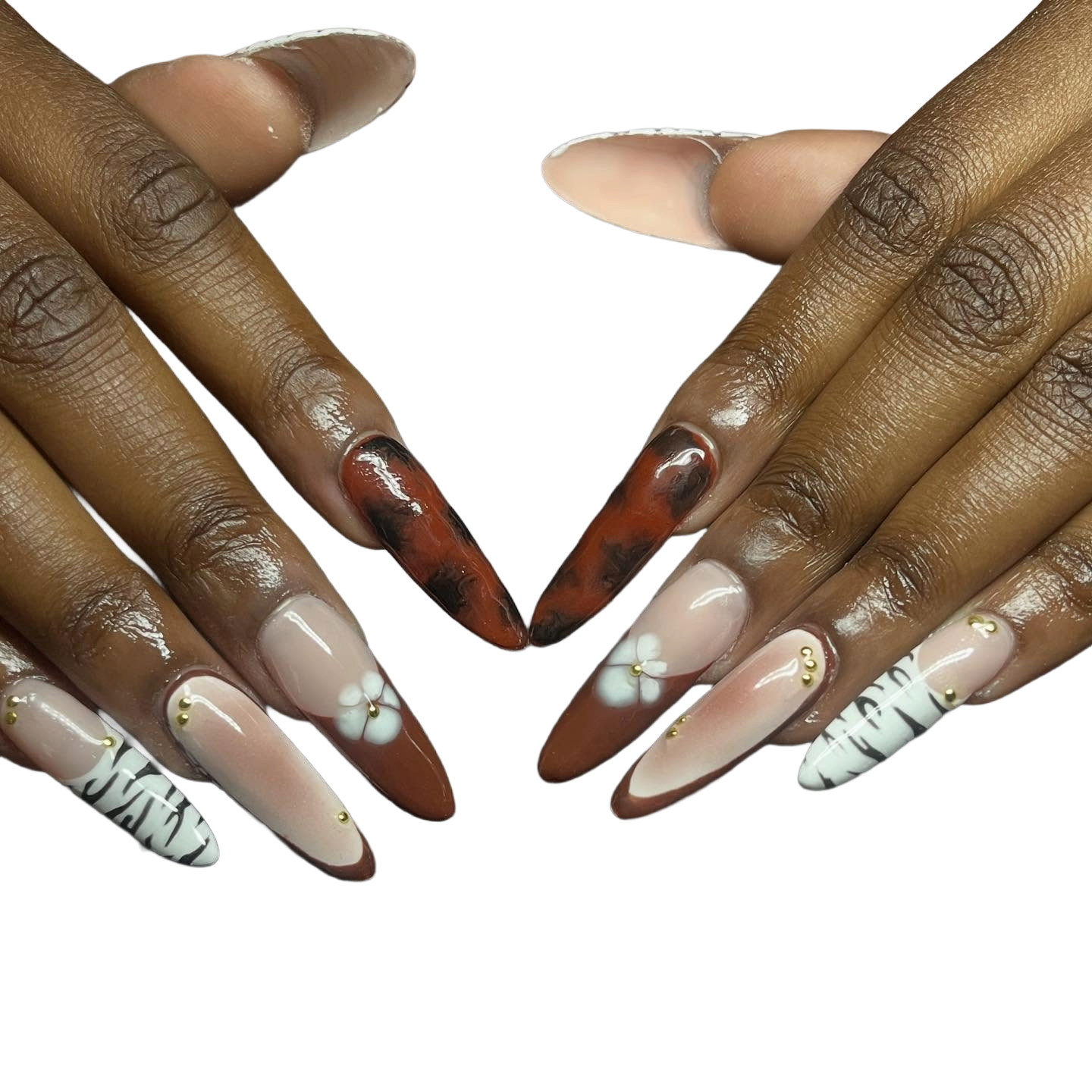
Noli Rosen ’26 and Alia Naseri-de Alba ’28 earn money from doing other people’s nails. Beyond the creative freedom and aesthetic appeal, doing nails is a way for teenagers to start their own businesses and profit from an enjoyable activity.
Rosen owns a small nail art business called Noli Nails. While Rosen began her business around eighth grade, her passion for nail art existed long before then. “Nails have always been a part of my life. I would always go with my grandma to the salon,” Rosen said. “And then COVID happened, and I got bored, obviously, sitting in my room, so I would just paint my nails over and over again. And I [realized] it was a fun way to spend my time.”
Doing nails requires skill and practice. “The first two years, … it was just trial and error of my friends coming in and [me] doing [their nails],” Rosen said. “And then where it really sparked was sophomore year for prom. … I was completely booked.”
Naseri-de Alba shared lessons she learned through her journey with nail art. “It takes a lot of time to get good at anything. You can’t immediately start expecting people to want to go [to you for nails] because you have to gain their trust and show that you’re able to do it,” she said.
Nail technicians and nail artists must take measures to prioritize client safety. “You have to properly make sure everything is really clean, and you have to make sure there’s no oils or moisture on your nail, because if you seal that in, it can develop stuff underneath your nails,” Naseri-de Alba said. “Also, because [doing nails involves] chemicals, you have to be careful of how long you’re curing them under the UV so that you don’t leave raw polish on your skin.”
Many students opt to have their peers do their nails instead of going to professional nail businesses. Naseri-de Alba often does nails for Ella Bayer ’28. “I honestly just enjoy spending time with Alia,” Bayer said. “I totally would continue going to her. She’s really good and I’m also supporting a small business.”
While some students learn of their peers’ small businesses via word-of-mouth, social media also played a large part in growing Noli Nails. “There’d be no business without social media,” Rosen said. “[I realized] I can actually get a clientele for this and get outside-of-school [clients].”
Because of her business and experience with social media advertisement, Rosen is applying to marketing programs for college. As she prepares to graduate this year, Rosen has been thinking about the future of Noli Nails. “I’m thinking of next year and being a freshman in college and setting up the whole thing in my dorm and getting a whole new community based on that new environment. But … I still have to technically go to cosmetology school and get my license. … I think I’ll do that over the summer,” she said. “My hope is to have this as either a side business, or maybe even a main business.”
Though creating a new business or listing dozens of clothing items online may seem daunting, these options offer profit and fulfillment. “Just get out there. You never know what you can achieve if you’re just sitting at home,” Rosen said.