


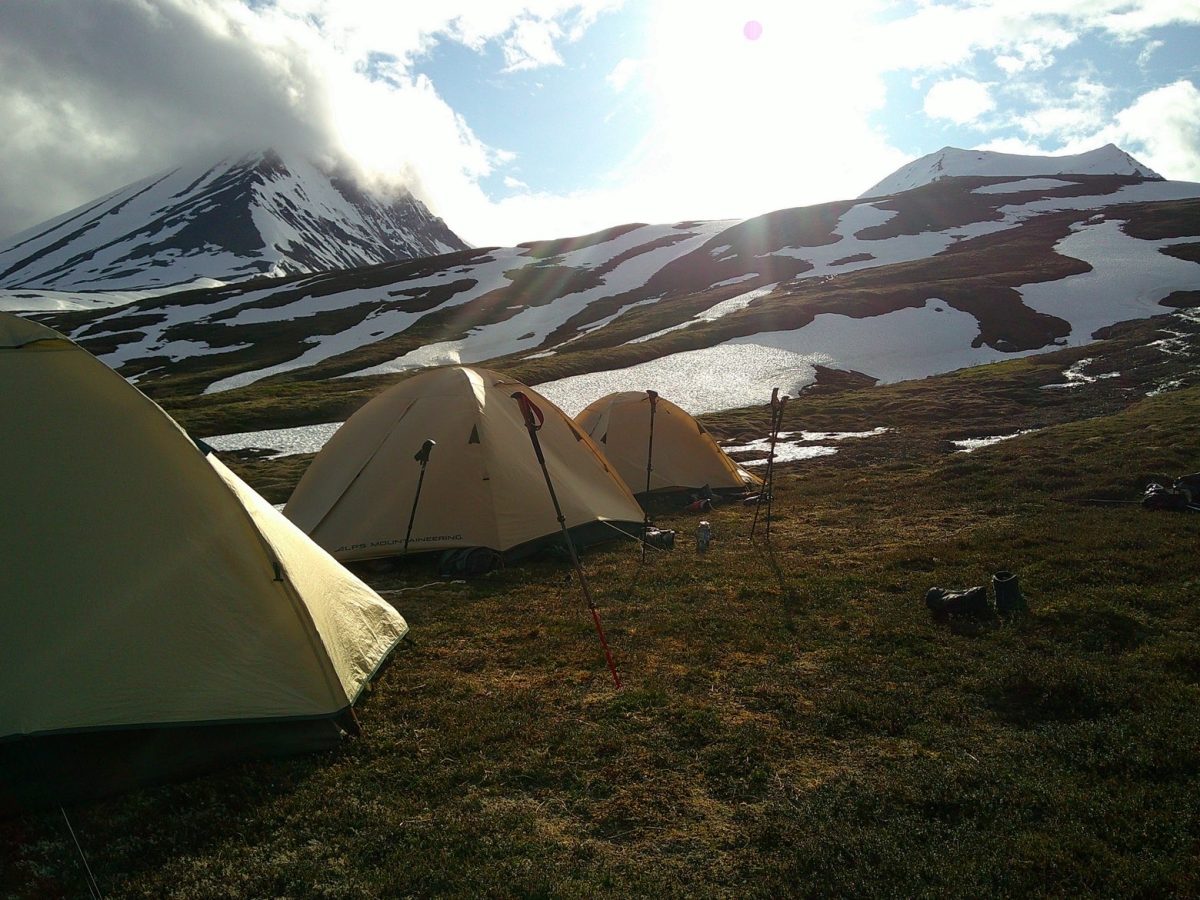
As students balance academic pressure with a desire to have fun on their break, they spend their summers doing a variety of activities. Whether it’s waking up at the top of the Alaska Range, walking the streets of Barcelona or investigating the United Nations (UN) at the New York Times, here are some students’ experiences and recommendations.
Education First:
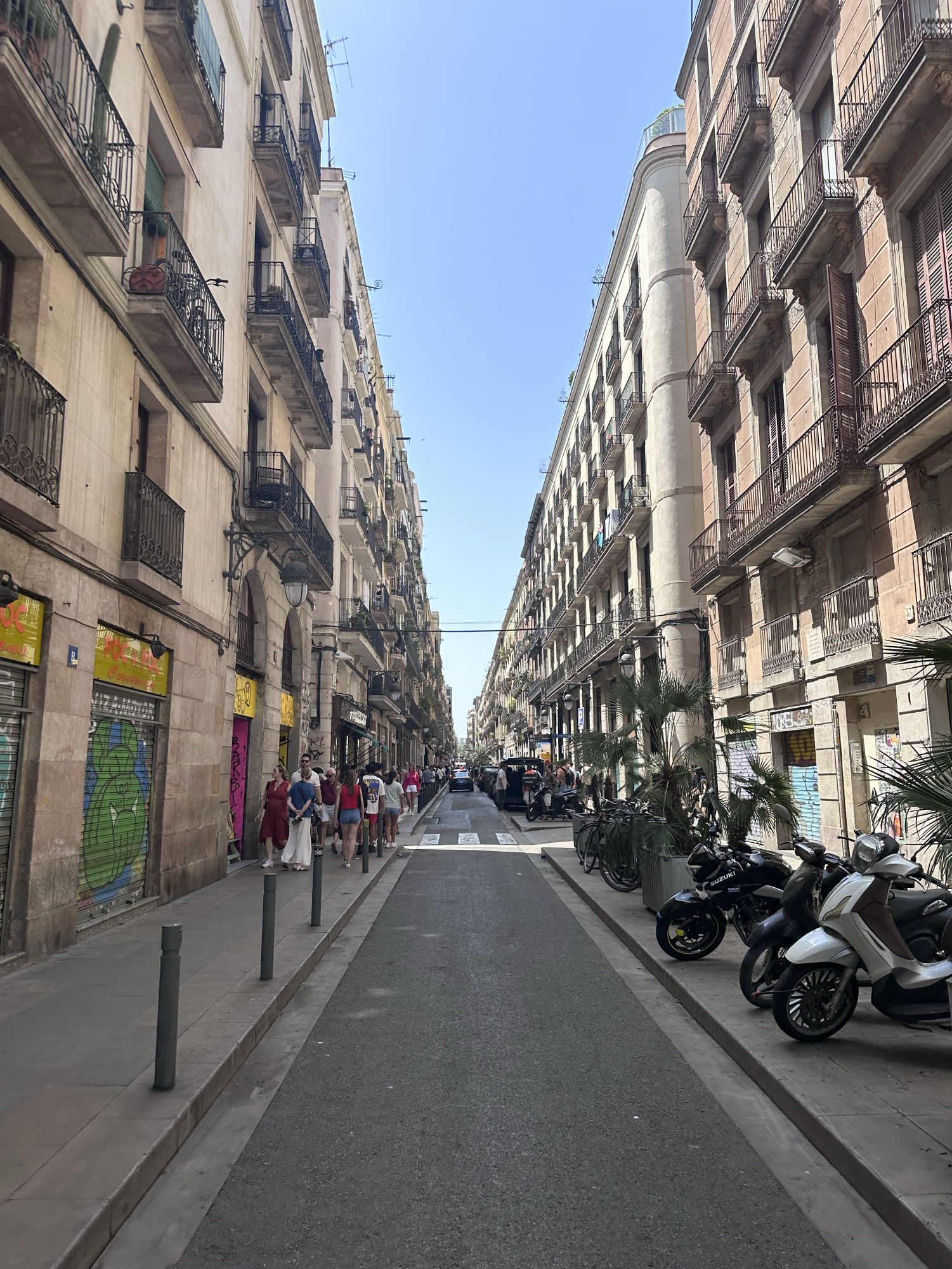
Harrison Maring ’26 has spent three summers traveling abroad with Education First, a Spanish immersion program. In 2023, he spent two weeks in Malaga, Spain. He spent three to four hours a day in Spanish class, followed by hours of structured free time with activities such as ziplining and exploring museums.
The following two summers, he went to Education First’s Barcelona location with the friends he made in Malaga.
In Barcelona, Maring had freedom to explore the city. “Chilling in the park or going to museums with my friends, I feel like that was when I really started to understand [and] get a sense of what Spanish culture actually is,” he said. “It’s one thing to read about it, and it’s another to experience it.”
He saw additional benefits carry over into his academic experience in Urban. “I thought it was really beneficial for me, especially [when] I saw my grades in Spanish class at Urban improve a lot. I feel like [immersion is] a big part of learning a language,” he said.
Wilderness Adventures:
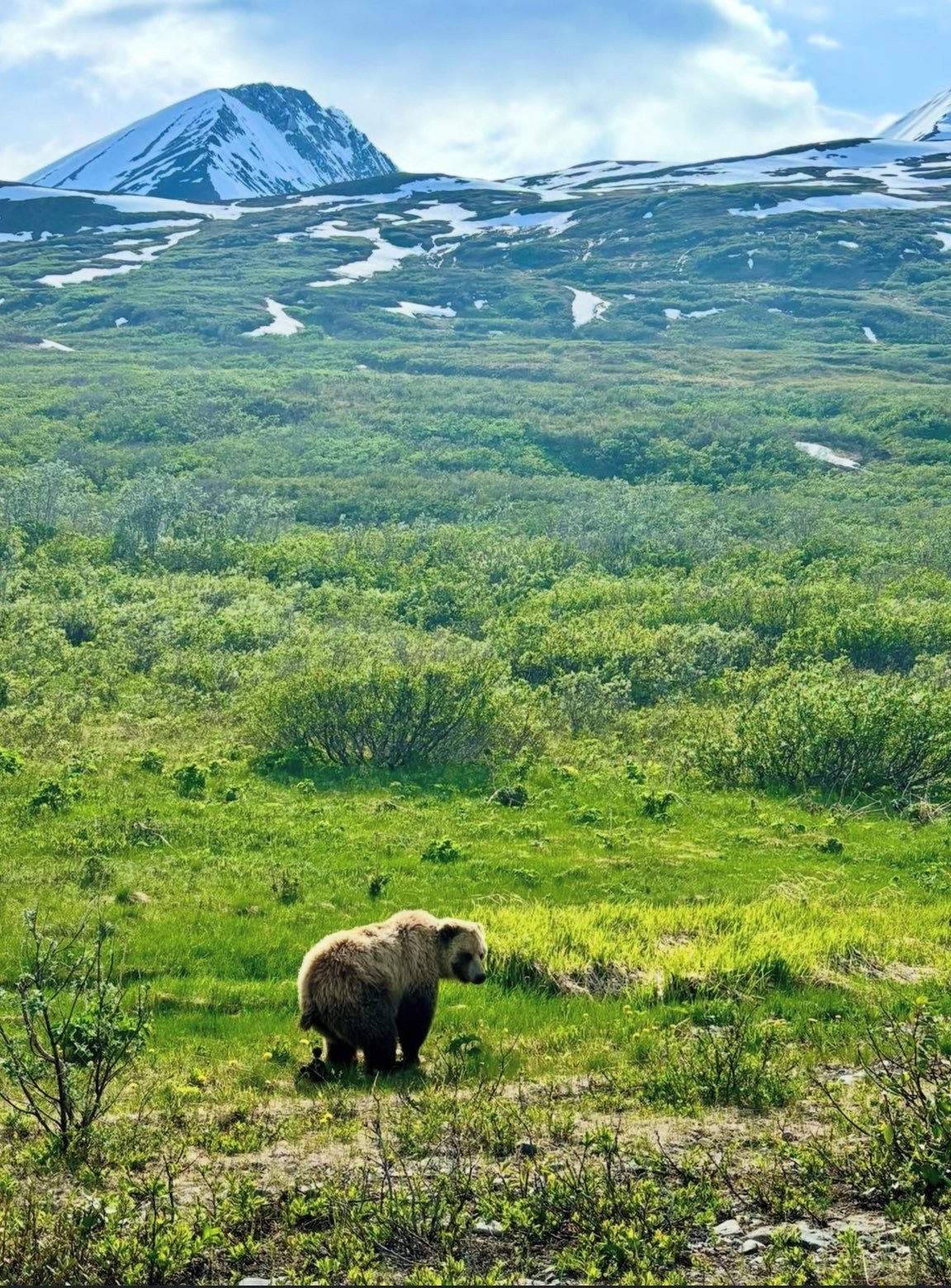
In 2025, Beckham Grasso ’27 participated in Wilderness Adventures, a 21-day program in Alaska’s Tongass National Forest that takes students backpacking, whitewater rafting, sea kayaking and mountaineering. The trip began with a group outing to an island where they went sea kayaking. Then, the group went into Denali State Park, where they did a 12-mile backpacking loop followed by white water rafting in the Matanuska river. The trip culminated with all the participants climbing 6,801 feet to the top of Nadahini Mountain.
Tongass National Forest is the largest national forest in the United States and home to an estimated 100,000 black bears and 30,000 brown bears. “We encountered bears all over. The first bear we saw was, like, 10 feet in front of us on its hind legs,” Grasso said.
Aside from wilderness adventure, the trip fostered social connection. According to Wilderness Adventures, small-group backpacking trips help foster connection, build inclusive communities and create positive memories. Grasso went on the trip with his best friend. “We met these other two best friends who were from Austin, Texas, and we got really close with them. We still chat with them, so the connections we made were memorable,” he said.
To help immerse kids in nature and foster in-person connection, Wilderness Adventures does not allow cell phones. “When you’re constantly doing something, you constantly have a goal to reach. You definitely experience time at a slower pace [and are] more in the moment than when you’re rotting away and scrolling,” Grasso said. “If we had phones, I don’t think I would have had nearly as good of a time.”
Grasso reflected on the value of spending time outdoors. “Doing a backpacking trip — or even just doing a camping trip where you’re getting outside without your phone and having a chance to connect with people that you would otherwise never talk to — is an experience that everyone should have,” he said.

New York Times summer academy:
Paloma Seligman ’28 attended the School of the New York Times’s New York City summer academy. She learned about how the UN functions and the study of human rights. She spent two weeks in New York City attending daily classes, studying the Sudan crisis, attending lectures given by guest speakers, engaging in a mock UN debate and touring the UN Headquarters.
The program featured a workshop on Model UN resolution writing, which aims to help improve students’ collaboration skills. “[It] helped me grow as a public speaker and [learn to] reach consensus with other people,” Seligman said.
After attending the program, Seligman decided to apply to The School for Ethics and Global Leadership (SEGL). “It was definitely a fundamental building block in my desire to apply for SEGL,” she said. “[It] helped foster [my] passion for international relations … and helped me grow … as a public speaker and be more passionate about the world around me.”
As Seligman reflected on her experience, she shared what students should consider when deciding how to spend their summers. “Find something you’re passionate [about]. … Don’t be afraid to take that risk [or] go alone or do something that is not considered cool,” she said. “Just do things that interest you, because that’s gonna end up benefiting you the most in the long run.”