


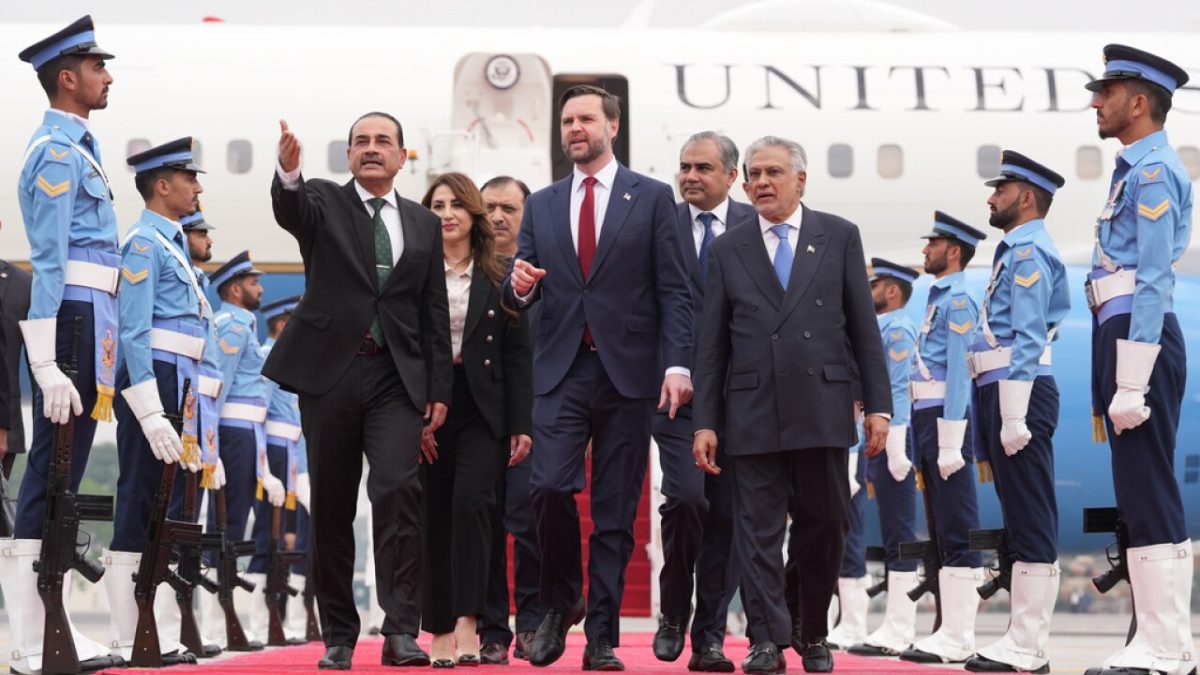
The United States and Iran failed to reach a peace deal after 21 hours of negotiations that concluded on April 12. Without an agreement in place, it is unclear how many more months the conflict will last.
The U.S. entered negotiations with a 15-point plan. Although the U.S. government has not publicized the details of the plan, Pakistani officials believe that it includes reopening the Strait of Hormuz, eliminating Iran’s nuclear program and dismantling Iran’s support for armed proxy groups throughout the Middle East.
Iran presented a 10-point plan calling for Iranian control of the strait, an end to attacks on the militant group Hezbollah and U.S. military withdrawal from the Middle East.
“The fact of the matter is neither country wants to be at war. So they are both looking for an opportunity to get out of the war, without giving up their main demands,” said Ruthann Betkey, U.S. Foreign Policy teacher.
However, neither country was willing to accept the other’s demands. “We’ve made [it] very clear what our red lines are, what things we are willing to accommodate them on, and what things we are not willing to accommodate them on. … They have chosen not to accept our terms,” U.S. Vice President JD Vance, the leader of the U.S. delegation, said in a press briefing after the April 12 negotiations.
On April 21, U.S. President Donald Trump said he would extend the ceasefire with Iran until its leaders could come up with a unified proposal. In the same Truth Social post he also threatened to resume bombing if negotiations remain inconclusive.
Although formal talks between the United States and Iran have ended, there is still the possibility of a deal. “It’s a publicity moment for Vance to go to the Middle East. It doesn’t mean that all talks have stopped. There’s probably channels [of communication] happening through other countries,” Betkey said. “[There] is a long time for things to be worked out.”